Hidden FiguresHow did three Black women build careers that helped America reach orbit?
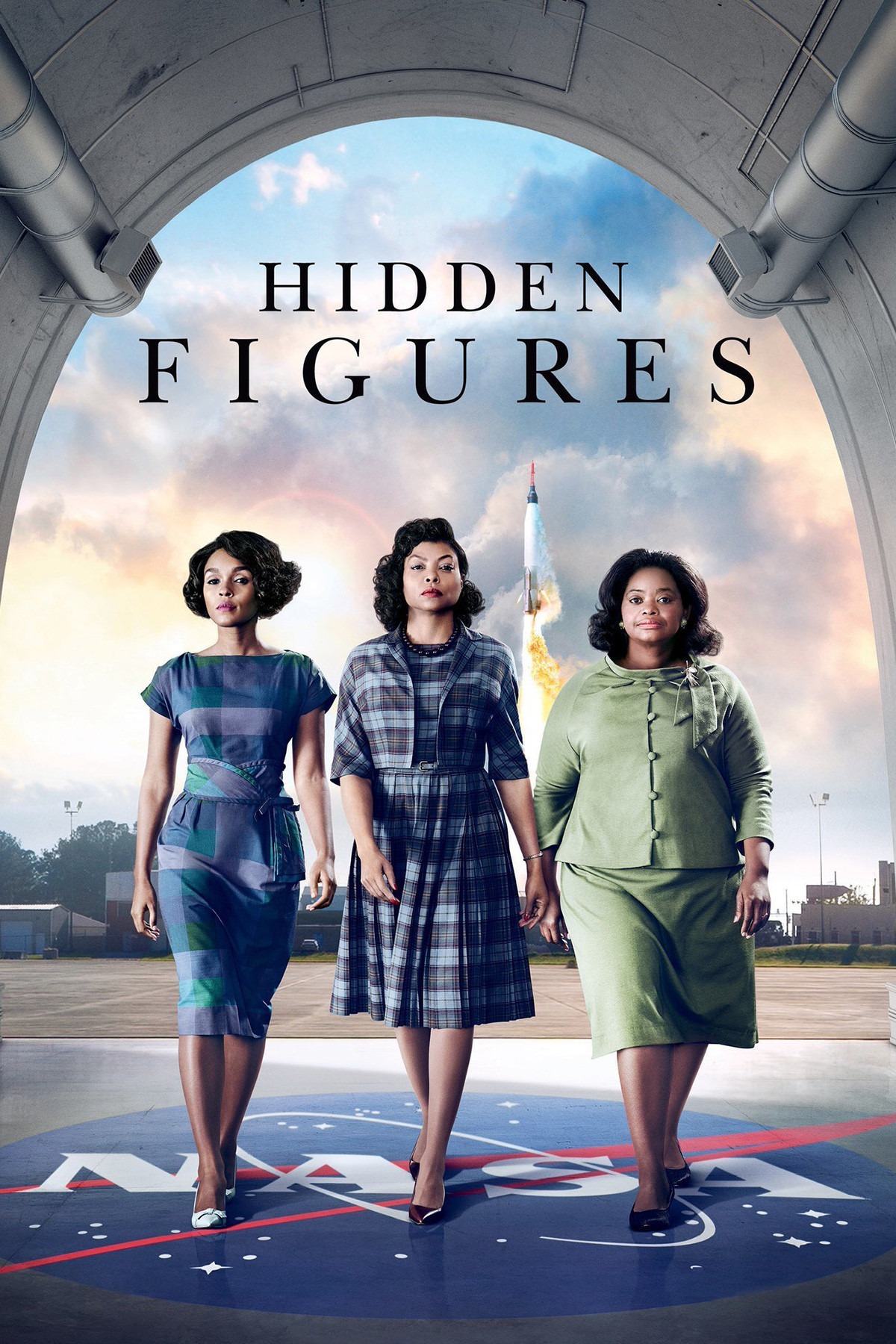
Hidden Figures, Theodore Melfi, 2016, bande-annonce officielle, © 20th Century Fox
Watch the official trailer
Watch once without writing. Watch a second time and answer in English.
- Which three jobs appear in the trailer (or which three women), and what does each one seem to do at NASA?
- What obstacles at work do you notice (space, tools, people, rules)? Give two clear examples from the images or the dialogue.
- The film is inspired by a true story. What one question would you ask a historian before you trust a scene from the film?
Show answers · possible ideas
1. Katherine Johnson (mathematician / human computer: checks trajectories), Dorothy Vaughan (supervisor / early programmer), Mary Jackson (engineer). Exact wording may vary.
2. Possible examples: segregated facilities; being kept out of meetings; limited access to data or computers; having to prove skill twice; a boss who doubts them. Accept any two clear visual or spoken cues from the trailer.
3. Open: e.g. “Is this scene documented in NASA archives or only invented for the film?” / “Who else was in the room, and what do the primary sources say?”
One sequence, three levels. Everyone studies the same photographs and the same history. Choose the B1, B2 or C1 task in each session. C1 adds denser reading, nuance, and a longer written report or essay. The vocational focus stays: the job of a human computer, an engineer, a supervisor; discrimination, promotion and recognition at work.
Film note. Students may watch Hidden Figures (Theodore Melfi, 2016) when the teacher organises it. The opening image is the official film poster. Other session photographs are NASA public-domain images. The official trailer sits just under the poster on this page; then compare the film with the documented history in the sessions.
At a glance
| Series | My Working Day · sequence 08 |
|---|---|
| Students | Bac pro and lycée (B1 / B2) and advanced classes: terminale, post-bac, BTS (C1 path). |
| Length | Five sessions of about 50 to 55 minutes, plus a final project. |
| Skills | Reading NASA biographies; speaking about careers; writing at B1, B2 or C1; cultural analysis: film versus history. |
| Other version | Dys-friendly version |
The five sessions
The workplace: human computers under Jim Crow. Session 2Katherine, Dorothy and Mary
Three careers: computer, supervisor, engineer. Session 3Film work: scenes in words
Describe scenes; separate fact from fiction. Session 4Expanding your vocabulary and grammar
Core lexicon + C1 extension; past narrative. Session 5Speak, write and final project
Oral · written B1 / B2 / C1 · exhibition. RecapWhole-unit checklist SourcesNASA image credits
How to use this sequence
- Open each session with the title, the large NASA photograph and the five rubrics.
- Assign B1, B2 or C1 (or let students choose with guidance). Same texts; different depth.
- Every session has Expanding your vocabulary, Homework, and hidden answers.
- Teacher mode: Show all answers when preparing.
Notes pour l’enseignante (français) : une seule séquence, trois niveaux de tâches.