Session 2 · about 55 minutes · B1 / B2 / C1
Katherine, Dorothy and MaryThree careers: computer, supervisor, engineer
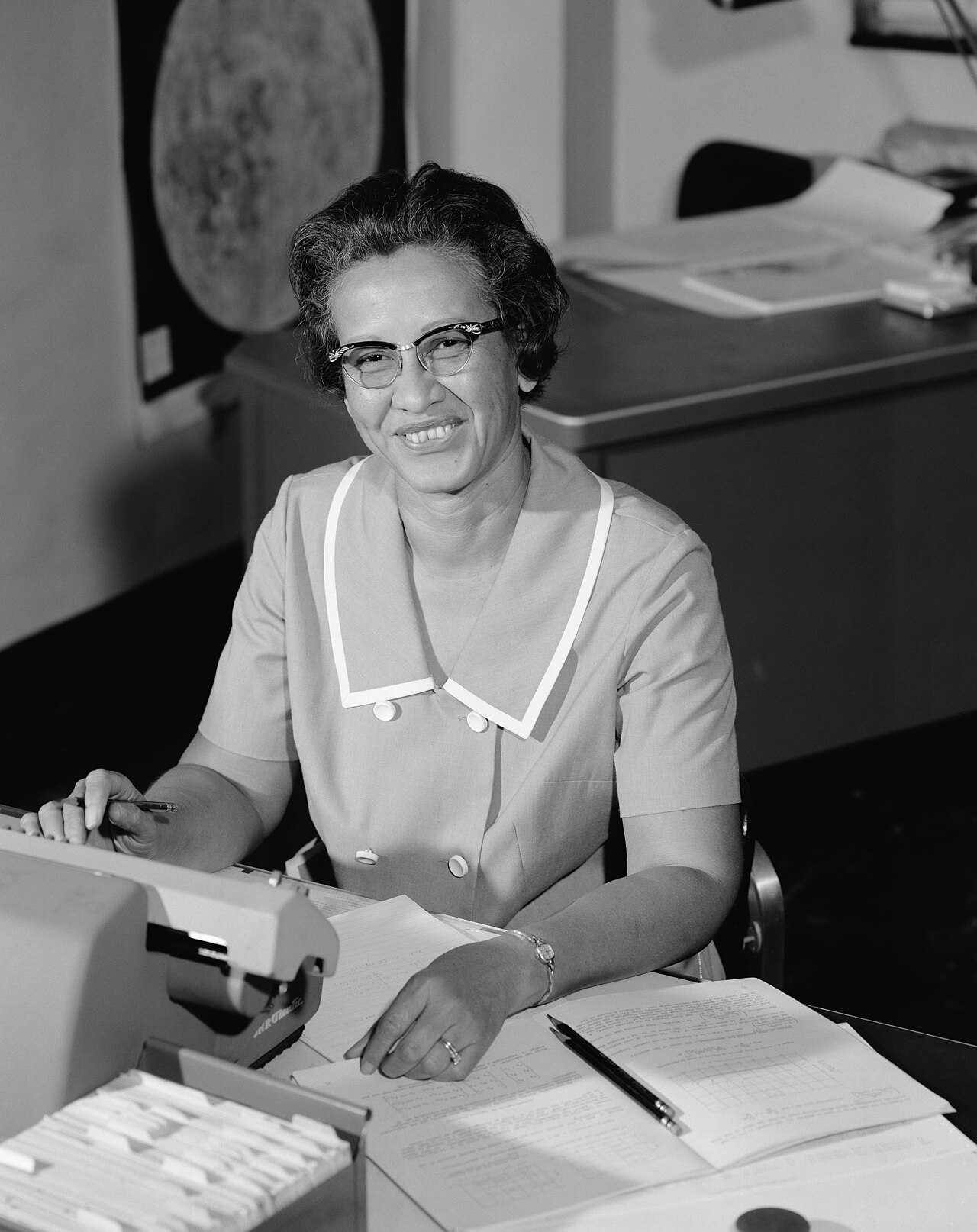
Build accurate career portraits from NASA sources before film discussion.
By the end of the session, I can state one major achievement per woman with a correct year, and explain John Glenn’s request, at my level.
Activity 1 · Three portraits
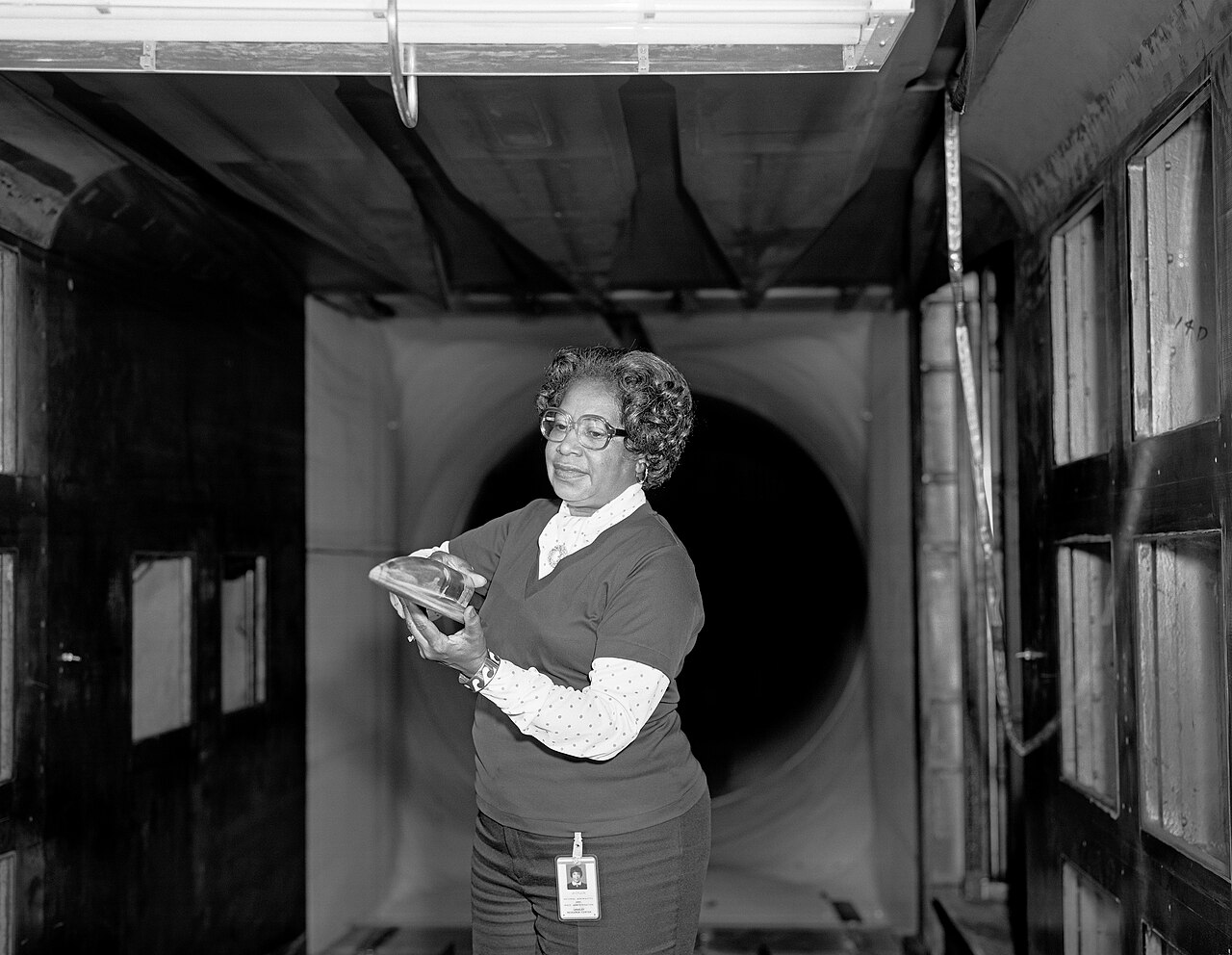
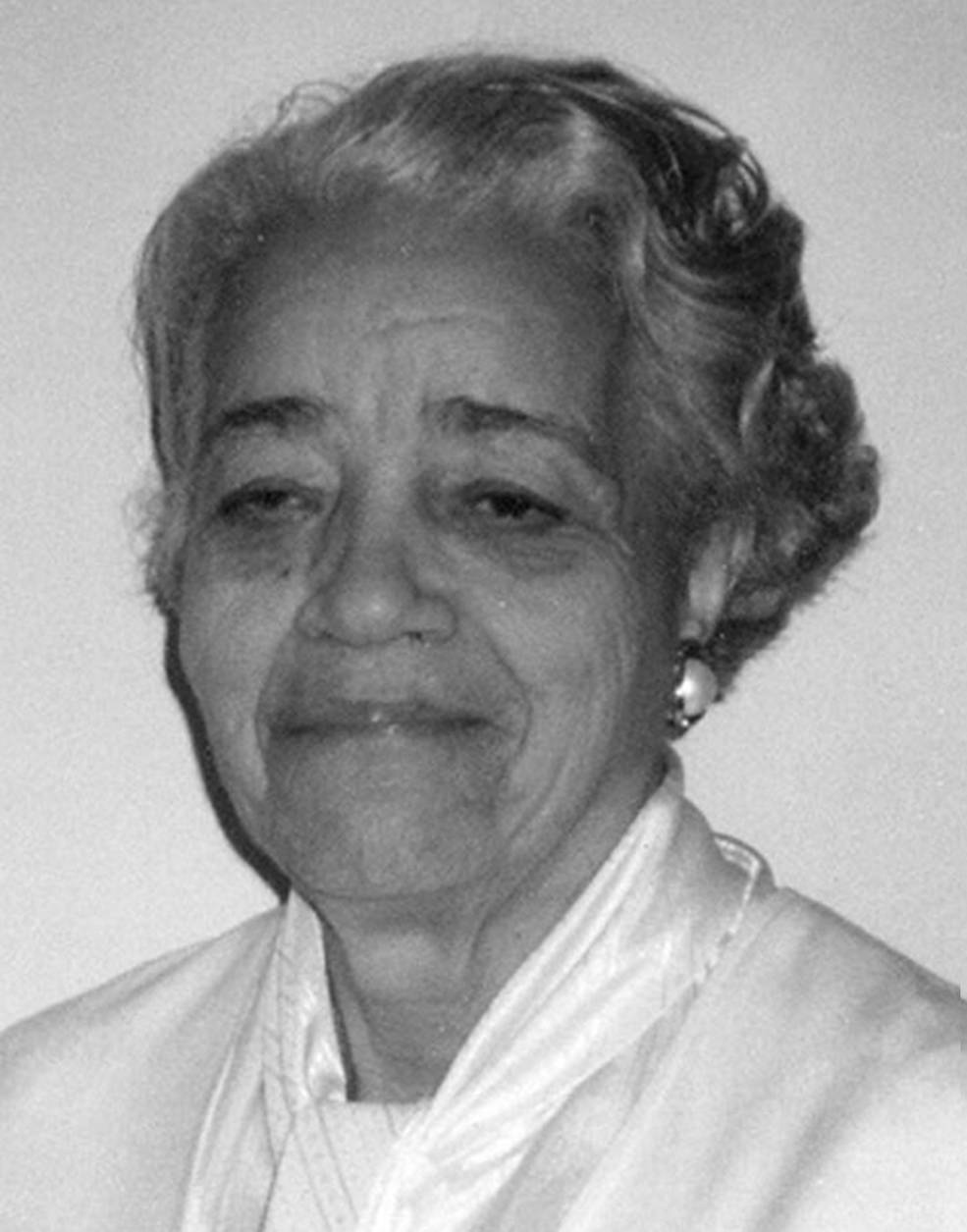
| Woman | Job path (NASA) |
|---|---|
| Dorothy Vaughan | Joins 1943. Head of West Area Computing from 1949 (first Black supervisor at NACA). Learns FORTRAN; leads work with electronic computers. Retires 1971. |
| Mary Jackson | Joins 1951. Needs City of Hampton permission for engineering classes at a segregated high school. NASA’s first Black female engineer, 1958. Later works for equal opportunity hiring. |
| Katherine Johnson | Starts 1953. Trajectories including Alan Shepard 1961. Verifies electronic computer numbers for John Glenn’s Friendship 7, 1962. Later Apollo. Presidential Medal of Freedom 2015. |
Cover the table. Re-tell one career in six simple sentences (name, job, one year, one achievement).
90-second oral portrait: career steps, one obstacle, one achievement. Use because / although.
2-minute analytical portrait: skill, institutional barrier, promotion or recognition. Compare her path briefly with one of the other two women.
Show answers · success criteria
- At least one correct year; one clear job title; no film-only inventions as fact.
- B2/C1: obstacle + achievement linked to workplace structure.
Activity 2 · Friendship 7 and trust at work
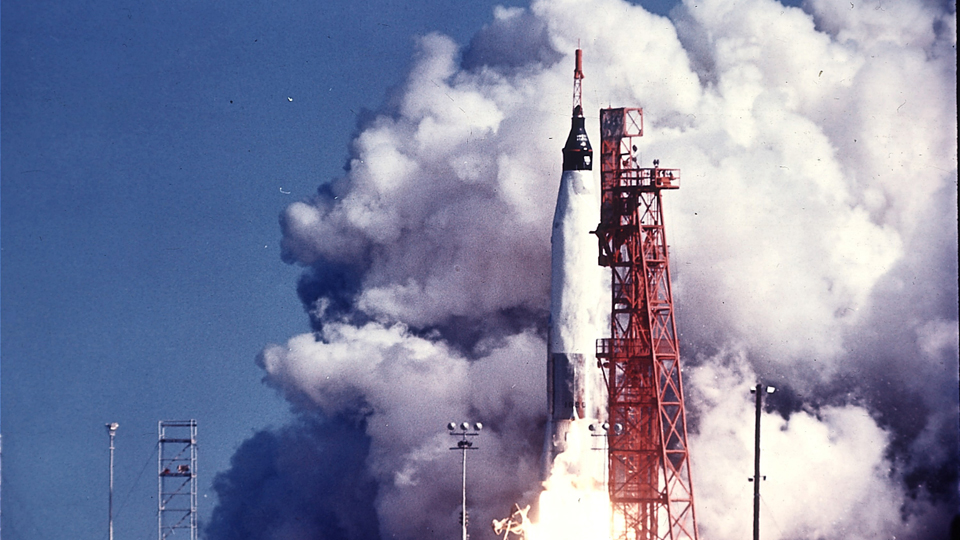
NASA records that before Friendship 7, John Glenn asked for Katherine Johnson to verify the electronic computer’s calculations. The film compresses this into a dramatic countdown; historically it belonged to the preflight checklist.
Four sentences: what Glenn asked; why it mattered; what the film changes; why we separate film from history.
120 words: trust, expertise and hierarchy. Why would an astronaut want a human computer to check a machine?
180 to 220 words: discuss expertise versus authority at work. To what extent does “get the girl to check the numbers” reveal both recognition and lingering inequality of status?
Show answers · model
Substance of Glenn’s request is documented; timing in the film is dramatised. Recognition of skill can coexist with unequal status language.
60-second portrait of one woman (~90 words).
140-word career profile with one quotation source name (NASA).
200-word comparative note: supervisor vs engineer vs research mathematician as job identities.